
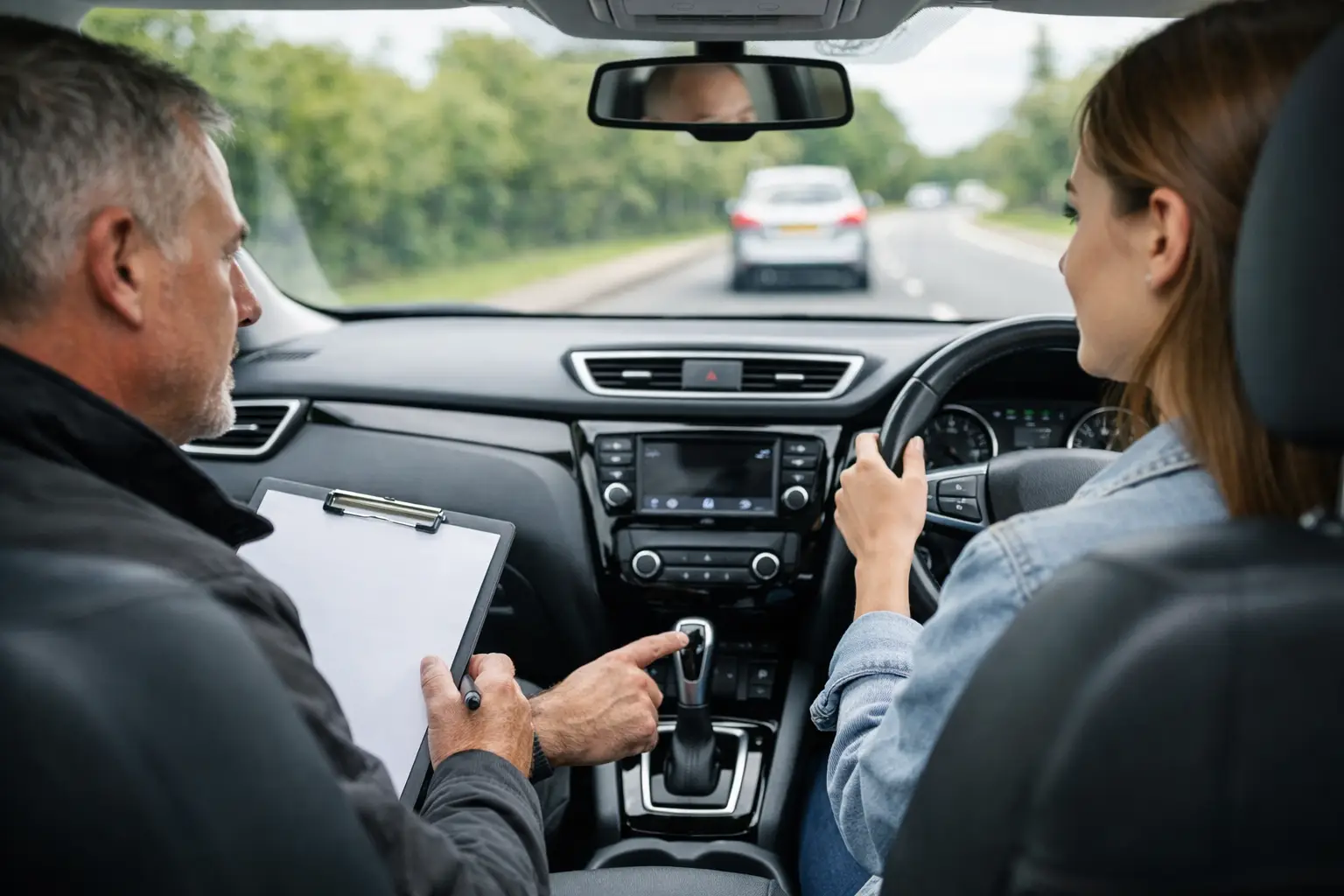
Picking your first driving lesson can feel oddly high-stakes. You are not just choosing a car - you are choosing the person who will sit beside you while you stall your thoughts, overthink roundabouts and ask, more than once, which pedal does what. If you are wondering how to choose automatic lessons, the good news is that the right choice is usually less about flashy offers and more about how well the lessons fit you.
Automatic lessons suit plenty of learners for good reason. They remove the extra workload of clutch control and gear changes, which often means you can focus sooner on road position, planning ahead, mirrors and making safe decisions. For some people that leads to quicker confidence. For others, it simply makes learning feel less overwhelming. That does not mean every automatic lesson provider will be right for you, though.
How to choose automatic lessons without wasting time
Start with the reason you want to learn in an automatic in the first place. If you know you are nervous, have tried manual before, want to pass efficiently, or simply prefer to keep things simpler, that matters. Your reason should shape the kind of instructor and lesson structure you look for.
A calm beginner who just wants a smoother start may do well with steady weekly lessons and lots of explanation. Someone returning to driving after years away may need confidence-building and refresher work rather than a beginner programme. A learner with a test already booked may need focused preparation, mock tests and help ironing out recurring faults. Good automatic lessons are not one-size-fits-all, and that is often the first sign to look for - whether the instructor talks about your goals or just their availability.
The instructor matters more than the gearbox
People often focus on the car because automatic sounds easier. In reality, the instructor will shape your progress far more than the transmission ever will. A patient, observant instructor can make a nervous learner feel capable within the first few lessons. A rushed or overly rigid one can make even simple driving feel stressful.
When choosing, pay attention to how the instructor communicates before you even book. Are they clear? Do they answer your questions properly? Do they explain lesson lengths, pricing and what happens in the first session? If they are vague before you have started, that can be a warning sign.
You also want someone who teaches, not someone who simply tells. There is a difference. A good instructor notices why a mistake keeps happening and adjusts the approach. Maybe you need slower explanations, visual prompts, more repetition, or a bit of humour to lower the pressure. The best lessons feel structured but human.
That is especially important if you are anxious. Nerves are normal. You do not need an instructor who acts as if every hesitation is a disaster. You need one who keeps you safe, gives clear guidance and helps you build confidence in manageable steps.
Look for lessons that match your pace
One learner thrives in a one-hour lesson. Another only settles in after the first twenty minutes and makes better progress in ninety minutes or two hours. This is where practical details start to matter.
Shorter lessons can be ideal if you are brand new, easily tired, or fitting learning around a busy week. Longer lessons can be more efficient if you want time to practise several skills in one go, especially once you move beyond basics. Neither is automatically better. It depends on your concentration, confidence and schedule.
If a school offers clear lesson lengths and helps you decide what suits your stage, that is useful. It shows they are thinking about progress rather than squeezing everyone into the same format. For many learners, a mix works well - perhaps shorter lessons at the start, then longer sessions closer to test standard.
How to judge whether automatic lessons are genuinely tailored
Plenty of instructors say lessons are personalised. Fewer actually teach that way. The difference usually shows up in small details.
A tailored lesson plan should take account of your current level, not just your age or how many lessons you have had. If you have strong road awareness but weak manoeuvres, your lessons should reflect that. If junctions are fine but independent driving throws you off, that should become a focus. Progress should feel measurable, not random.
You can ask simple questions before booking. What does the first lesson usually cover? How do you track progress? How do you adapt lessons for nervous learners or people who have had lessons before? A good instructor will answer comfortably because this is their everyday work, not a sales script.
Price matters, but value matters more
Everyone has a budget. That is real life. But the cheapest lesson is not always the best deal if the teaching is poor, the structure is muddled or you spend weeks repeating the same mistakes without proper feedback.
Transparent pricing is a good sign because it removes guesswork. You should know what you are paying for, how long the lesson is and whether there is a sensible plan for moving forward. What you are really buying is not just time in the car. It is the quality of instruction, the pace of progress and the confidence you carry into your test.
That said, expensive does not automatically mean excellent either. Look for straightforward pricing, clear communication and evidence that the lessons are worth the fee. If the instructor can explain how they help learners progress safely and steadily, that usually tells you more than any special offer.
Reviews can help, if you read them properly
Testimonials are useful, but only when you read past the obvious. Five stars are nice. What you really want to spot is the pattern in what learners say.
Do people mention patience, calm instruction and growing confidence? Do they talk about feeling supported rather than judged? Do previous learners sound like people a bit like you - nervous beginners, adults returning to driving, or students wanting focused test preparation? Those details are more valuable than generic praise.
It is also worth noting whether reviews mention progress. Feeling comfortable matters, but so does moving forward. The sweet spot is an instructor who is both supportive and effective. You want someone pleasant to learn with, yes, but also someone who knows how to get you test-ready.
Consider the test goal from day one
Automatic lessons are often chosen because learners want a more direct route to driving independently. That is sensible, but test success still depends on strong habits. An automatic car removes some complexity, not all responsibility.
That means your lessons should cover more than just getting the car moving. You need proper observation, anticipation, speed control, lane discipline, manoeuvres and independent driving. If you are choosing an instructor, look for someone who balances confidence-building with high standards. Being made to feel relaxed is great. Being allowed to drift along with avoidable faults is not.
If you already have a test booked, mention that straight away. The right instructor should be honest about timescales. Sometimes an intensive push makes sense. Sometimes it is better to move the test and build stronger skills first. A good instructor will tell you the truth, even if it is not the quickest answer.
Local knowledge helps when it serves your learning
If you are learning around Peterborough, or preparing for a test in places such as Kettering or Grantham, local route knowledge can be helpful. Not because you should memorise every turn, but because a local instructor understands the junctions, road types and common pressure points learners face.
That can make lessons more practical and targeted. You get experience in the environments most relevant to your driving and, if you are approaching test day, training that reflects the kinds of decisions you will actually need to make. It should still be about skill, not shortcuts, but local understanding does make a difference.
A good first lesson should leave you steadier, not shaken
One of the best ways to know you have chosen well is how you feel after the first session. Not perfect - nobody comes back from lesson one feeling like a rally driver. But you should feel clearer than when you started. You should understand what went well, what needs work and what the next step is.
Good automatic lessons build confidence early because they remove unnecessary drama. A patient instructor, a sensible lesson length and a proper plan can turn that first knot of nerves into something more useful - momentum. That is what learners are really looking for.
If you are comparing options, trust the setup that feels calm, clear and genuinely centred on your progress. At D4Driving School of Motoring, that is exactly how lessons are approached - personalised teaching, steady progress and support that meets you where you are. The right lessons should not make you feel like you need to keep up. They should help you move forward safely, at a pace that works for you.
Choose the instructor who makes driving feel learnable, and the rest tends to follow.